Search results
60 results found.

On The Edge of the Edge – The U.S. – Mexico Border
60 results found.
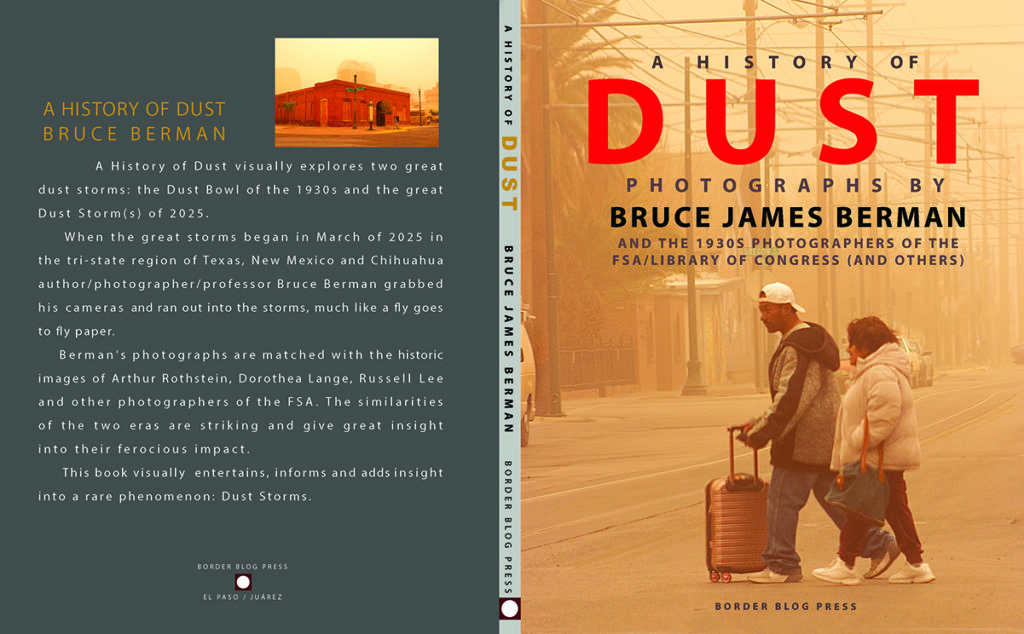
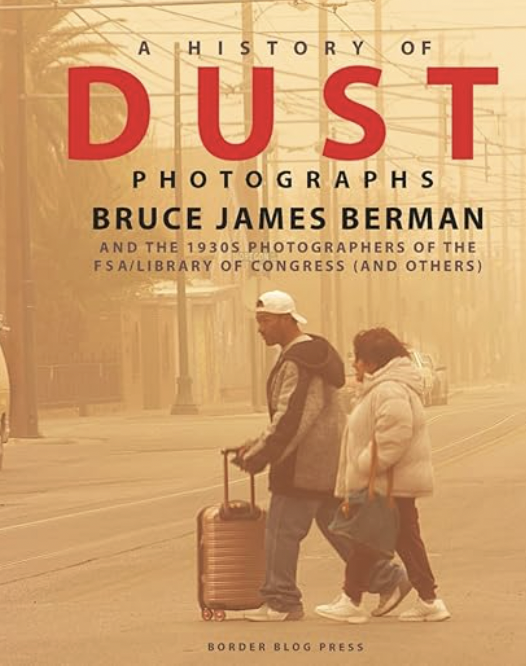
The HISTORY OF DUST book is out. Available on Amazon as of now.
The book explores two different major dust seasons, both record-setting: The 1930’s Dust Bowl and the 2025 tri-state Great Dust Storm, that enveloped New Mexico, West Texas and Chihuahua.
The book features the photography of Bruce Berman (2025) and the 1930’s FSA (Farm Security Administration) photographers of the Dust Bowl, including Dorothea Lange, Arthur Rothstein, Jack Delano and others. With quotes and narrative the book show the similarity of the storms but points out the differences as well.
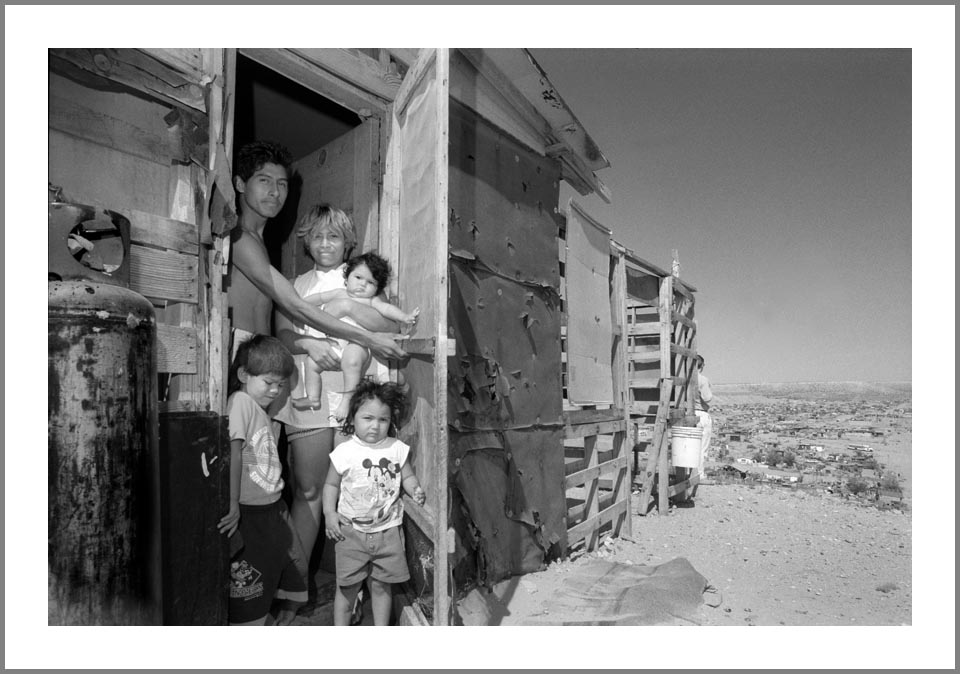
Commentary by the Editor
Juarez, Chih., Mex. — So how did this Cartel War begin and how does it end?
The Border Blog will not answer that today. We look for the things that make the heart tick and leave the fancy thinking to those that make these messes in the first place.
Roughly, for me, it began a long time ago, when the people who have most of the marbles understood that they didn’t have to do a thing about bringing along another class of people who had hardly any marbles at all. Impunity. No apologies. In Juarez the maquila industry began when someone figured out that Labor was a cheap product that Mexico had a lot of and that it could be exchanged for some major profit. Of course nothing so crass as that was said. Rather, this was the bright new day that would lead to a burgeoning “middle class,” and bring everyone up from the bottom. So they said. So the “development” of Juarez began. The powers that be brought willing companies looking for labor and they delivered “labor.” This labor, also known as the citizens of Mexico came from the far flung corners of Mexico. They had nothing else to do and would work at any price, went the theory. Everyone would be happy. You move here, we’ll give you subsistence (and societal dislocation), and we’ll go to the bank. Everyone will be happy.
Right?
When I first started photographing in the maquila factories of Juarez in the early 1980’s the salary in a maquila was $5 per day. Today it’s a little over $7. A full two dollar increase in 20 years. Imagine!
It wasn’t sustainable then and it isn’t now.
The promise of some kind of job, of rising above downright depraved poverty, was strong and people flocked to the border factories. First from Veracruz, then from Durango, then from Torreon and on and on.
If you were a Mexicano and wanted to improve your life without the terrible alternative of actually crossing the border and trying to make it work in El Norte, you headed to the maquilas of Juarez or Tijuana or Nuevo Laredo. If you made that journey you left your culture and customs behind. This was the brave new world.
Bienvenidos campesinos.
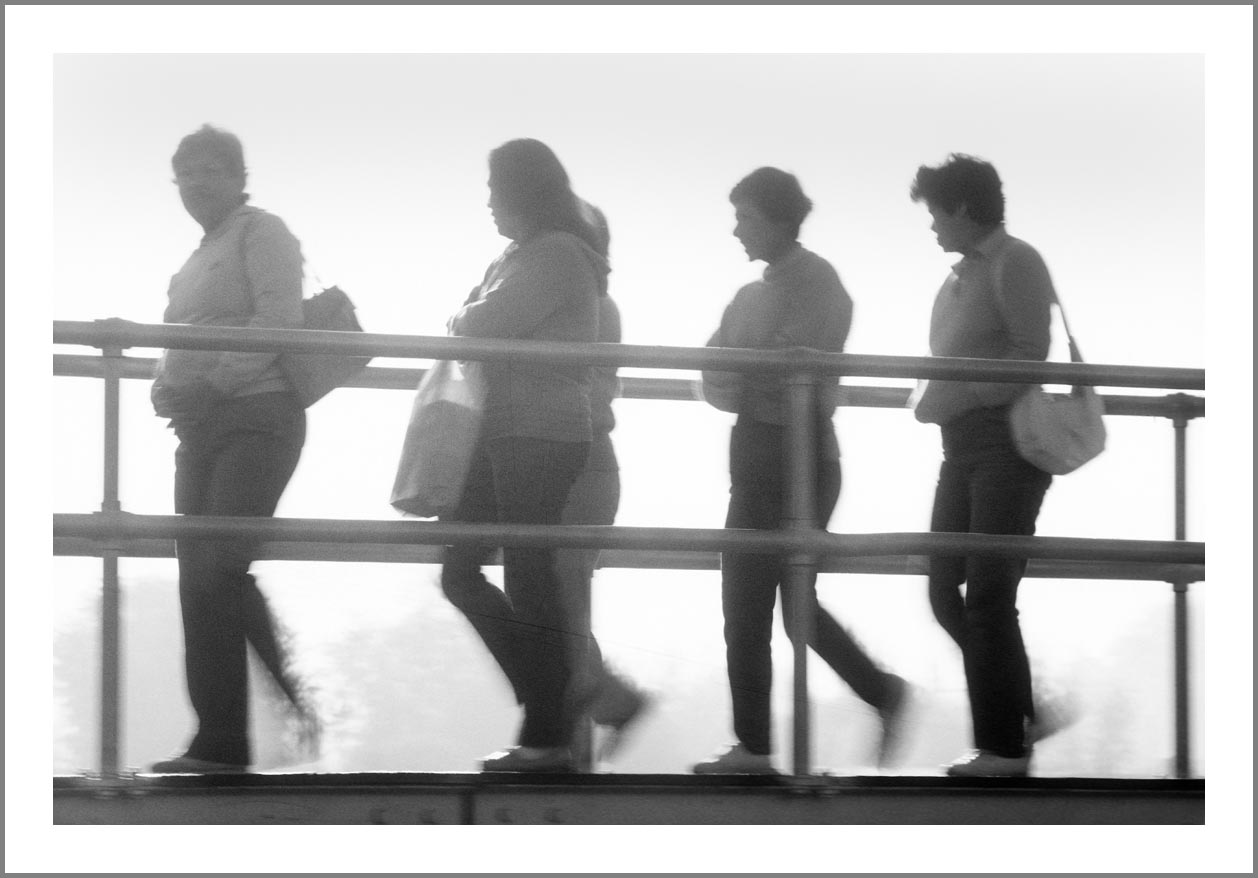
The river with two names: Rio Grande/Rio Bravo del Norte. Depends where you begin and where you end and where you return to. These women are heading north. It was a long time ago. Everything has changed and nothing has changed and I suspect it will continue to change and not change forever.
The river with two names, the R2, is also the place of the personality with two halves.
Confusing, no?
It is the place of bifurcation. But even that has two sides: twice as much insight.
Where are these women now? Which side happened to them? What happened to me? What happened to Juárez and the U.S.?
What happened to me?
I know this: people will cross going north no matter what and no matter the year. People will cross less, going south, depending on the year.
The river will flow south from Colorado (a Spanish name) to the Gulf of Mexico (an English language name).
And none of it matters to anyone living here except that one government makes it hard for another people to do what they have done for thousands of years and another government makes it necessary.
Who’s confused and who’s doing the confusing?
An important piece on the journalists of Juarez by Brent and Craig Renaud/New York Times
“Reporters in Juárez not only cover drug cartel violence but are often targets themselves.”
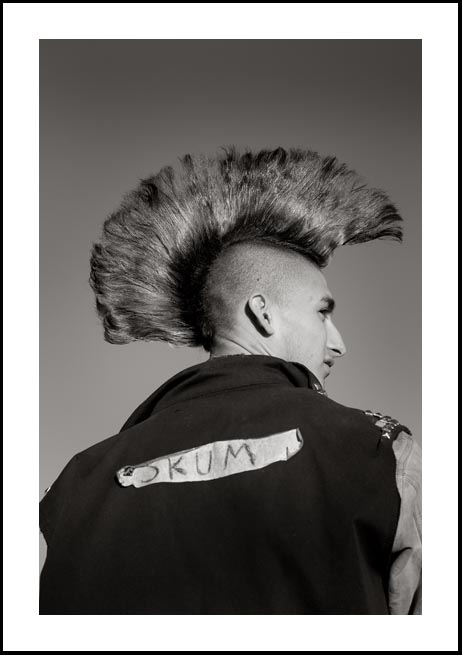
Las Cruces New Mexico on New Year’s Eve 2009.
Turtle, 17, born and raised in this southern New Mexico town.
Apache.
Defiant and alive.
It was as good as Times Square.
Better.
2010 Resolutions?
Nah.
Just keep looking.
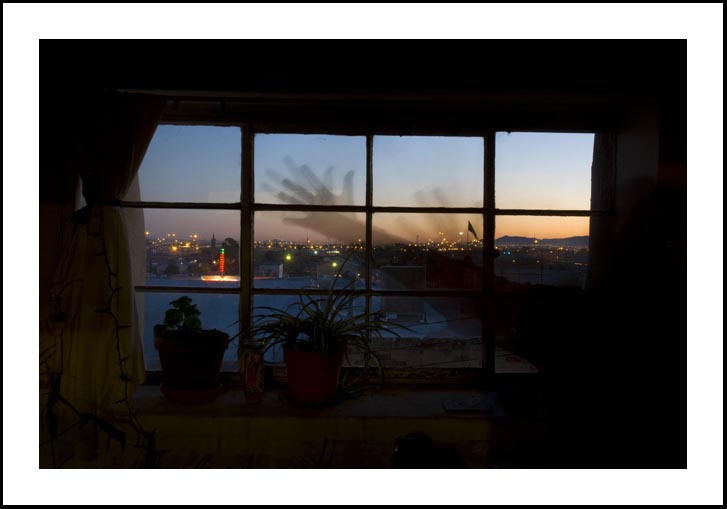
Three of the last four posts have involved this window. The view to the south. One block to Alameda Street, two more down Stevens and, voila, you’re at the bridge, then you’re in Juarez, then if you keep going you’re on the carretera to Ciudad Chihuahua, then Torreon, then Puebla and Mexico and then… well who knows where this ends?
This is the last one of this window for awhile. I’ve been clinging to it. Home. I’ve been shooting from this window and the roof right out my back door for decades. The view hasn’t changed that much.
I have.
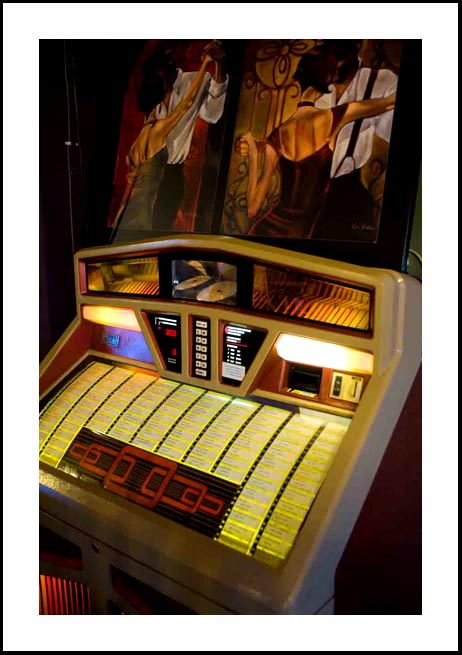
Juke boxes.
They’re a “warm fuzzy,” no matter how you cut it.
No?
I just wanna dance. It’s the holidays.
Time to dance. And stare at the wall (and the Web) and have luxurious long lunches (and personally enriching) with good friends, now, in the rush of my life, long overlooked.
I’m in New Mexico and there’s a lot of land here, still. Lots of space to dance, and write and spin and dream…in New Mexico, lots of space to scream at the sky and to yell, “No mas el mundo, basta!”
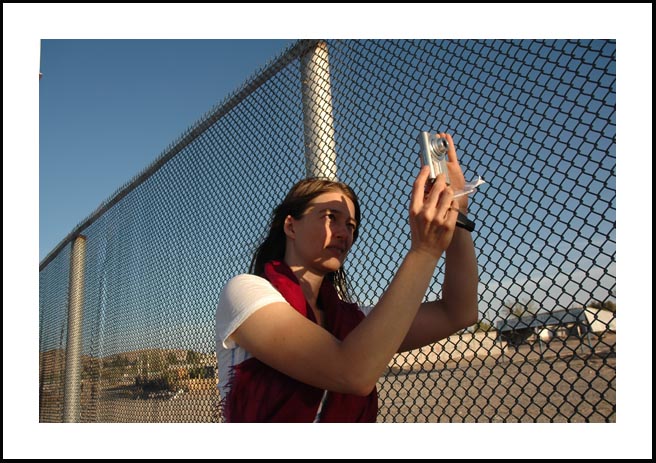
Yesterday I worked with an incredible journalist from Der Spiegel (the German equivalent of Time). She is German, from the north of Germany. Works out of the DC Bureau. Sharp and smart and witty and ironic and puro journalist. We did a story at Fort Bliss. She was bright and lively and brave and charming and funny and we’d had a successful day and did a great story together. She wanted to see “El Paso.”
So we head for the border (I’m a one trick pony. To me, the border is El Paso).
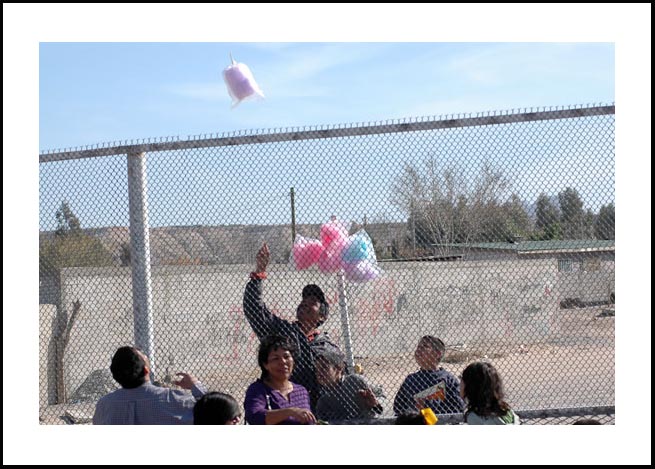
Life goes on.
Mexico is a great pueblo. So is El Paso and southern New Mexico.
One reads the newspapers and one thinks the world has gone insane. Particularly here, on the border.
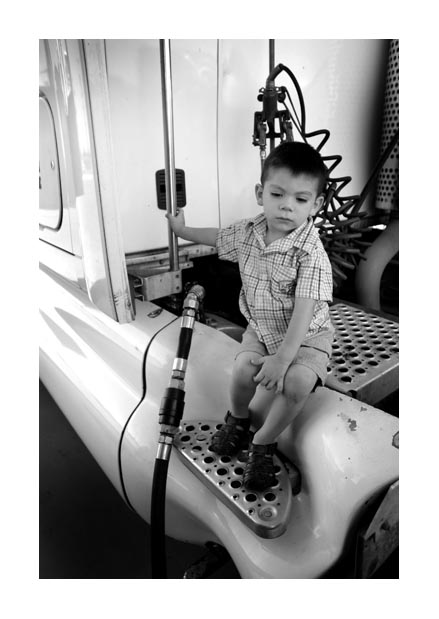
Ciudad Acuna, Mexico
A Mexican border city has begun fining U.S. drivers who cross the border to fill extra drums, tanks or barrels with government-subsidized Mexican fuel.
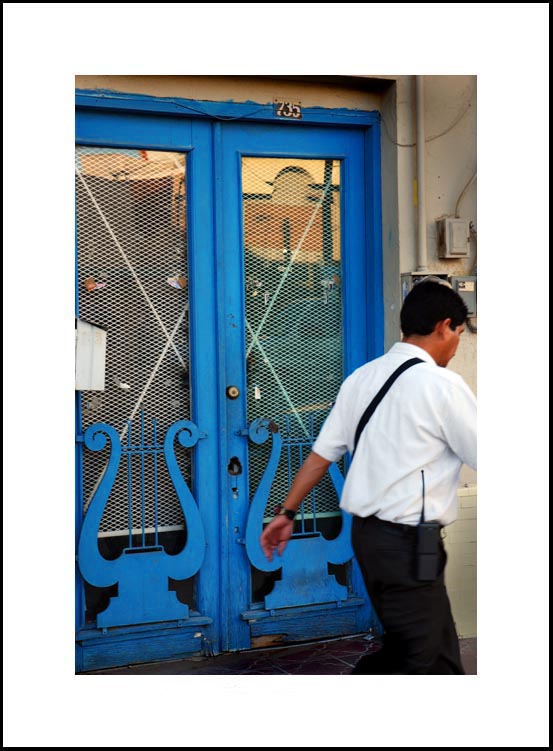
There hasn’t been so much gunfire in Juarez since 1910. Since Jan.1, there have been over 230 drug war-related murders.
There was a time in Juarez -bourgeoise and ugly Americano, for sure, but what the hell- that it was just the old fashioned sins: getting drunk, dancing, straggling around with whatever “date,” that’d allow you to put your hands on her ( or whatever) and, if you survived, you crawled home over the bridge to El Paso and woke up late the next day.
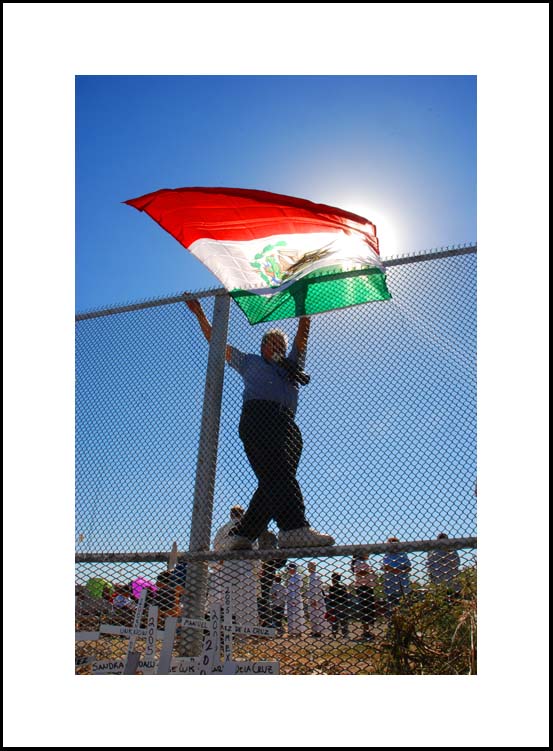
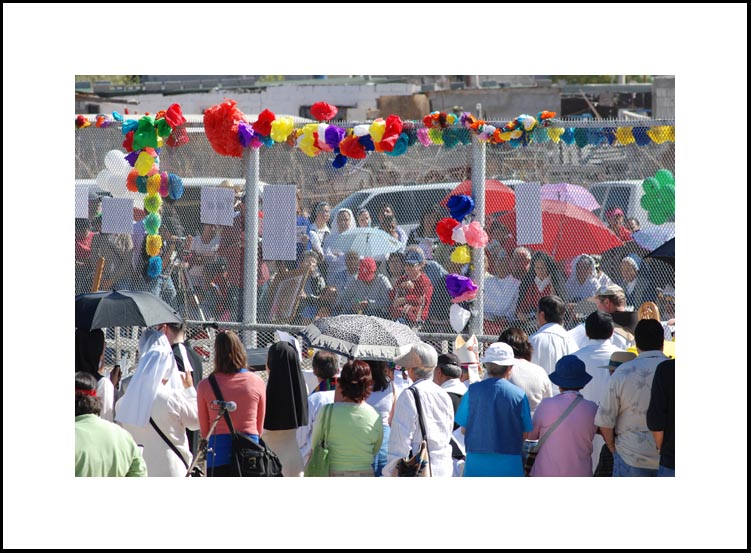
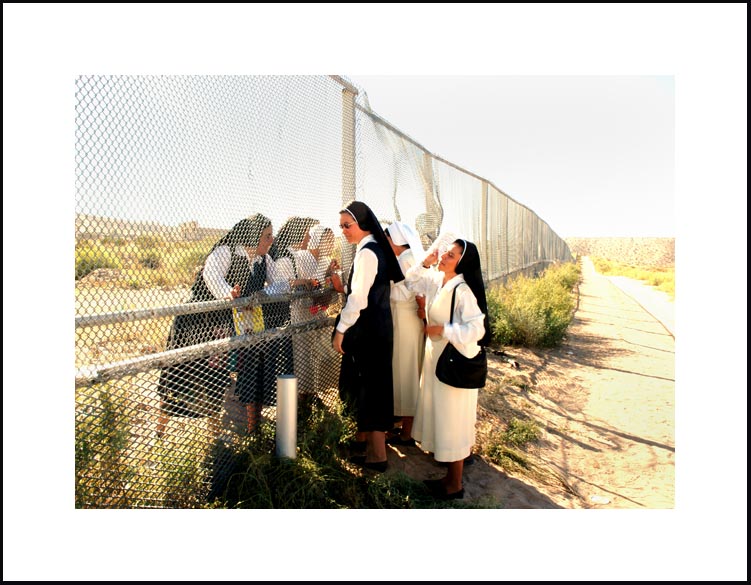
Today the Bishops of El Paso, Las Cruces, NM and Juarez, Chihuahua, Mexico met at the border fence at Sunland Park, NM and Anapra, Chihuahua to protest current immigration policies and to promote understanding for immigrants from Mexico, as well as world wide.
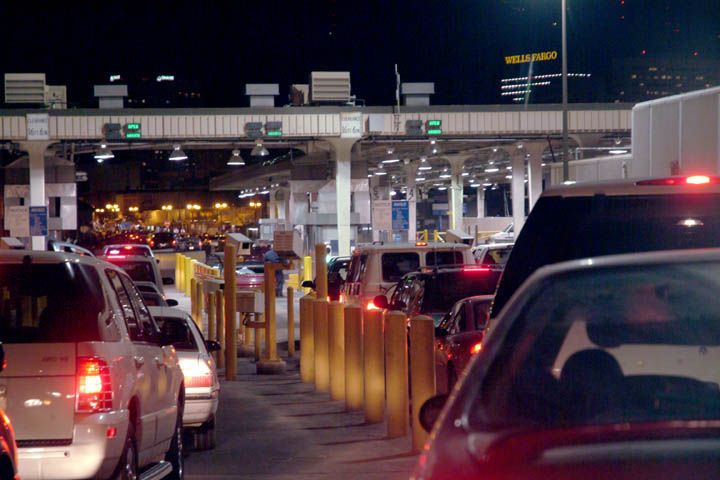
Entering USA from Juarez.Yet again.The bridge.Flirting from enclosed car to enclosed car.
Fumes.
Juice.
Anticipation.

Blogmeister’s Note: This is a piece written by a friend of The Border Blog. He is a Mexican National, a university student who attends the university in El Paso and a good guy. Especially, if one is looking for an insight, note the second to last paragraph and multiple it by the millions.
The BB welcomes all viewpoints, especially this one . Thank you, Javier :
Why I Voted For Felipe Calderon
I was listening to my aunt Lupe while we were driving down Periferico
Sur highway about a month ago in Mexico City. She told me about Andres Manuel Lopez Obrador (editor:AMLO), the presidential candidate (at the time), and how he managed to obtain the votes of lots of people in Mexico City by offering social assistance to senior (over 65) people and single moms while he was the city’s mayor.
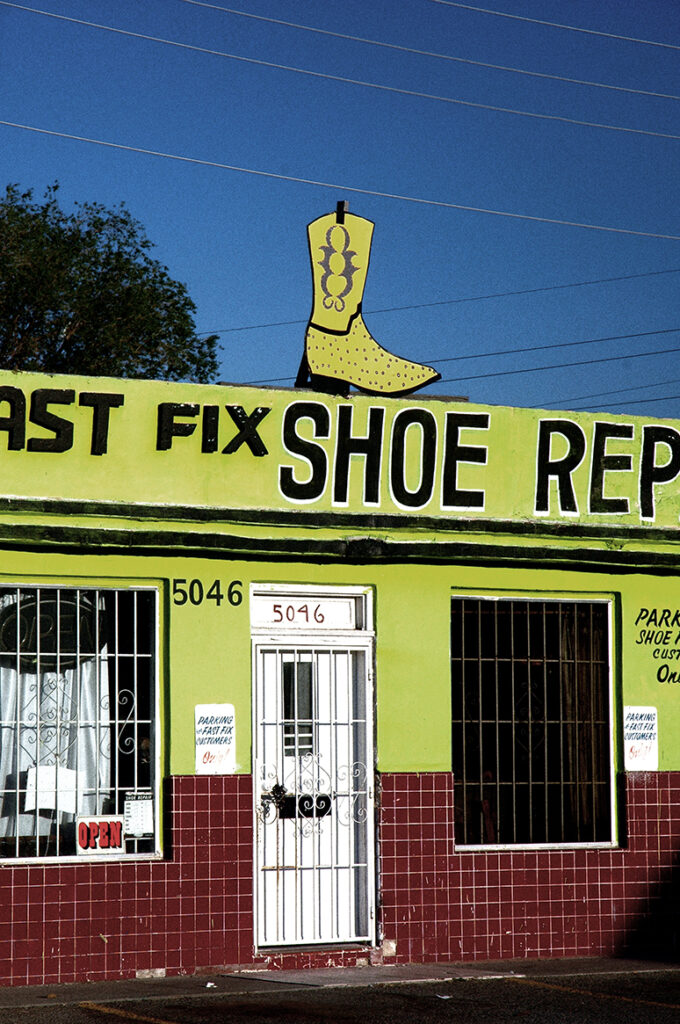
Boot/Shoe, El Paso, Texas, Highway 60/182 (Alameda Street), 2006
Text and Photography by Bruce Berman
Mexican presidential candidate Andres Manuel Lopez Obrador has called for a ballot-by-ballot review of Sunday’s presidential vote. He says the stability of the country is at stake. Mexico’s Federal Electoral Institute Wednesday began reviewing the totals from polling stations to determine whether Obrador’s rival, Felipe Calderon, really won the election Sunday. A preliminary count showed him ahead by only one percentage point. Both candidates declared victory Sunday night.
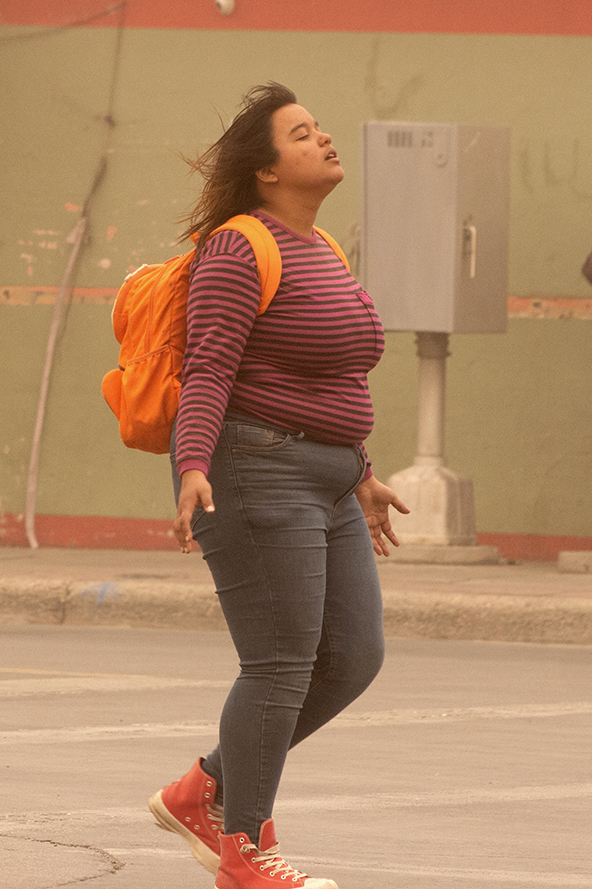
Dust Surrender in El Segundo, April 20215
The Dust Storms of 2025 in West Texas (El Paso), New Mexico and Chihuahua will not soon be forgotten.
In fact I made sure of it for me by producing a book about them and about THE Dust Bowl for good measure.
The book is informative and fun and honor’s a great woman –my mom– who lived through it am shared her stories.
Check it out at Amazon: https://shorturl.at/KXIHu
July 11, 2023 No Comments
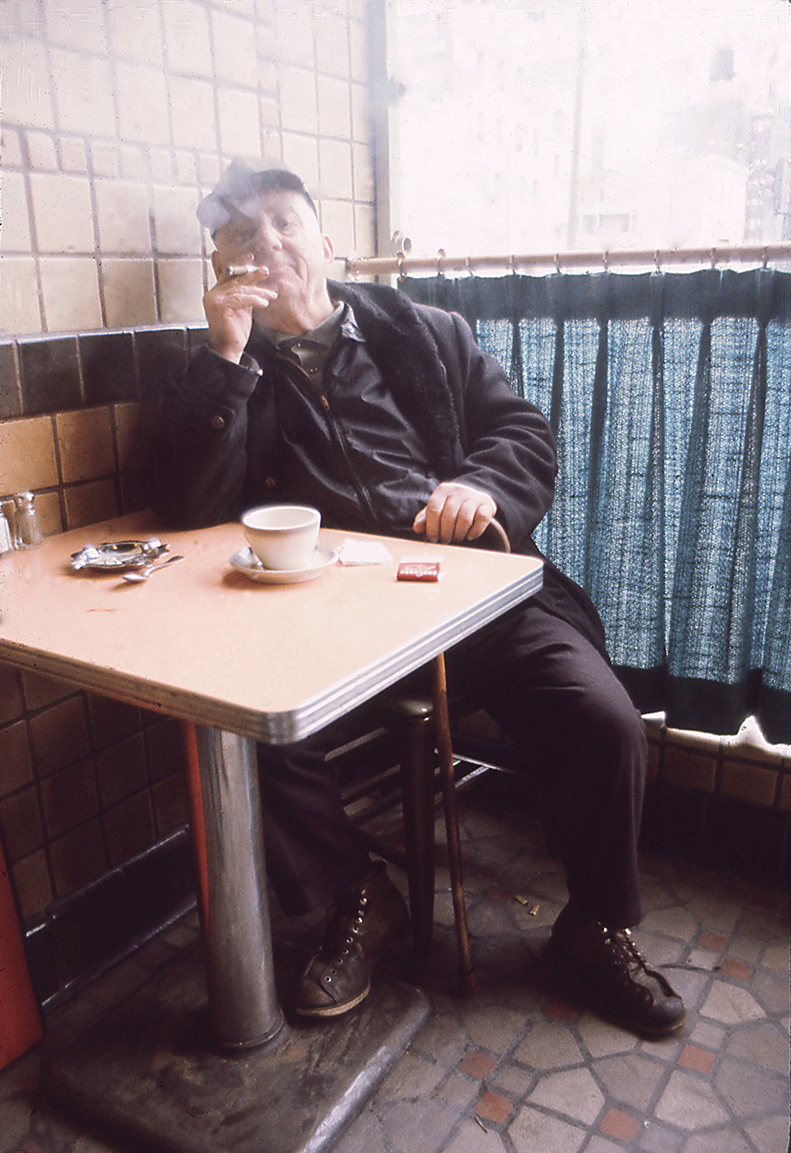
Smoking Man, diner at State and Ohio Streets, Chicago, 1971
Photograph and Text by Bruce Berman
This was the very beginning of my career, when I first realized what I wanted to be … a photographer. Not much has changed since then. This is exactly the kind of photograph I like to make, the kind of experience I like to have. Me on the prowl, encountering a person on the fringe, direct eye contact. The only thing I do now that I did not do then is to get more info about a person, really get to know them. At that time, and for many many years afterwards, I was just satisfied with getting the photograph. As time has gone on I now realize that that is incomplete. It’s the photograph and the text that matter, so that the person photographed is honored, not just used. Maybe that reflects aging, learning the world is not all about me but about me being in the world, about respect for others, maybe just about being a real documentary photographer.
So, here I am, 42 years later and I don’t know who he is, where he was from, what the name of the diner was, what he did for a living, exactly when the date was, etc., i.e., the 5Ws that any journalist knows are essential.
A detail I never noticed before, is his shoes. Believe it or not they are meaningful to me. In my old south side neighborhood, these are the kind of shoes we’d buy every few years. They were our main shoes (except for dress shoes). These were the “better ones,” because they have finished leather. Ours were the exact same 10 lace model but a cheaper brand, and the leather on those was called “rough out.”
Why am I talking about shoes?
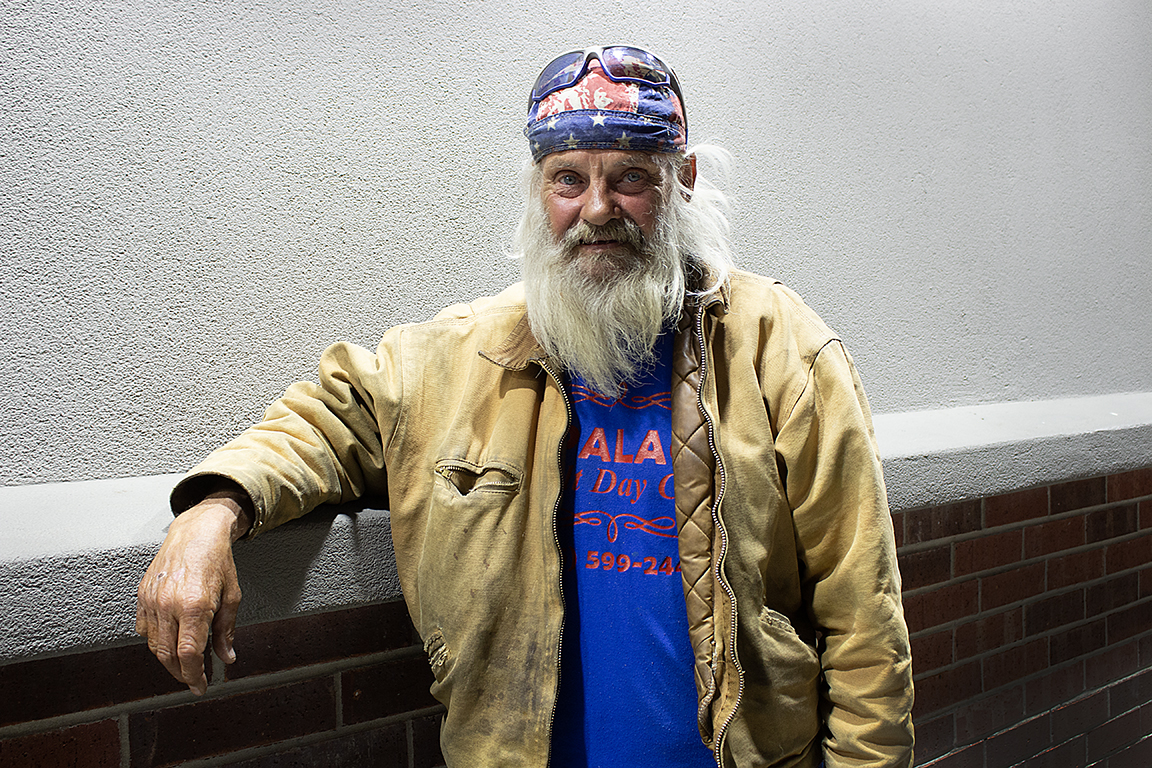
Ghost, Exit Zero, Anthony, Texas, May 18, 2023
Text and Photograph by Bruce Berman
This is the first photograph I’ve taken in a long time that actually means anything to me.
I’ve been a photographer for fifty-five years. So that’s kind of a sad statement, eh?
I’ve been teaching photography at New Mexico State University for the past seventeen years. It takes its toll.
All the energy I ever put into my own work and the work of the work that allowed me to live off of it gradually but inevitably goes into inspiring others to do what I used to do.
Anyone that teaches can tell you there are some great students that make it all worth it. They’ll probably also tell you there are a plethora of others that didn’t treasure the gift you gave. It’s part of “the biz.” You roll with it.
I do think there comes a time, a rubicon, where your own creative desires become endangered. It’s not just the endless repetition about the mechanics, and the history and the nuances of doing photography, it’s also the endless drivel of academia, the business of being in a university, the committees that mean nothing to me personally, seemingly a bubble of detachment from reality, the occasional obscenity of human behavior, acting so massively vicious because, the stakes are so low. Politics are vicious and low. The feeling of irrelevance can be very high.
For almost twenty years photography has been my voice and the border has never stopped callin’ me.
Photography moves me still, but in conversation, more and more I’ve talkedf about my teaching job at New Mexico State University, as “passing the torch.”
I’m not sure, but maybe it’s been passed (and will continue to be).
I’ve been fretting fora few years about “what’s next?”
Right now, all I know is, if you aren’t feeling as good as these kids (on this video) or even something a little like it, it’s time to stop fretting and get the “next” going.
And I shall.
Two things are calling me and calling me hard these days and nights: Music (guitar… which doesn’t let me go to bed early or even late) and Africa ()which just won’t get out of my head).
Stay tuned, when Im know more I’ll let you know.
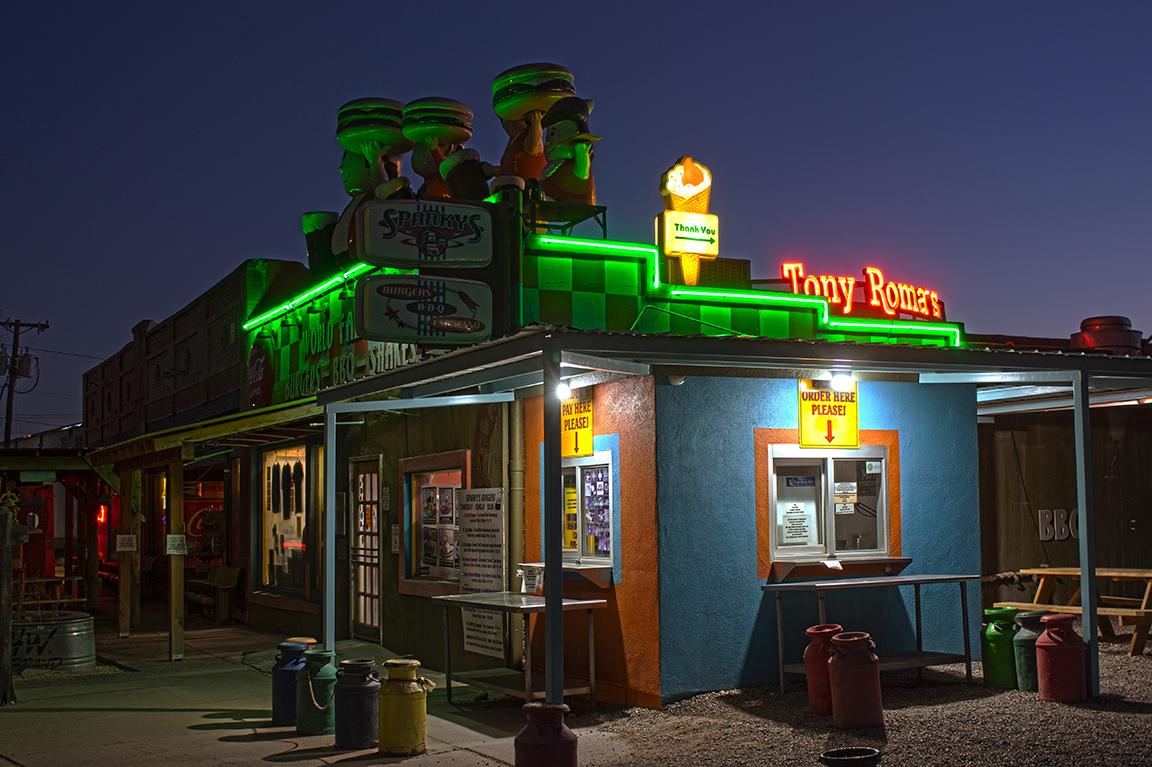
Tony Roma’s, Hatch, NM (SVNM/Small Village New Mexico Project),
March 2022 by Bruce Berman
Text and photography by Bruce Berman
The SVNM Project is a group documentary project done by the students (and professor) of the photojournalism program in the Journalism and Media Studies Department at the New Mexico State University (NMSU). The project is an ongoing project done over the past ten years.
It is a document of the Rio Grande river valley of southern New Mexico.
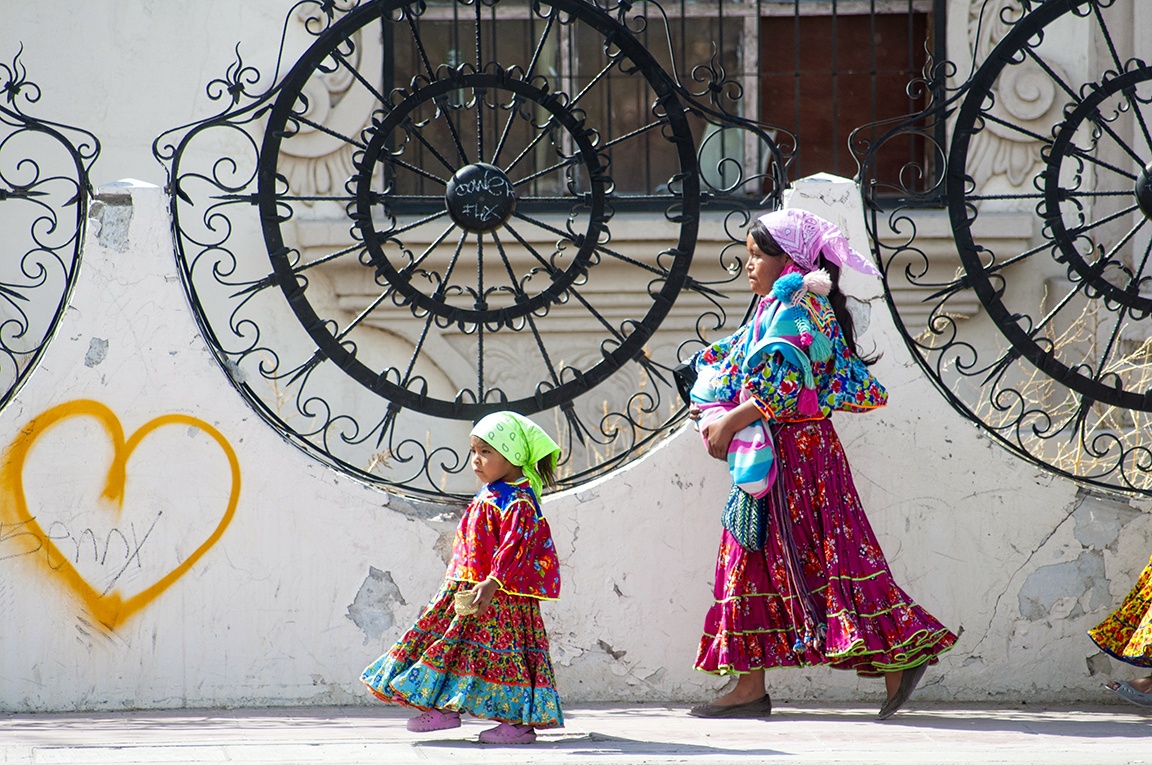
Juárez, Tarahumara mama and kids, 2012
In the middle of the Cartel War, the Tarahumaras from the Sierra Mountains of northwest Chihuahua, México, still work the streets of Juárez, selling goods, doing services, and attempting to not blend into the fabric of the 3rd largest city in México, Ciudad Juárez, Chihuahua.
The Tarahumara Indians (self-named Rarámuri), are a tribe that inhabit the northwest of the State of Chihuahua in México.
Economic conditions through the late 20th century and early 21st, have forced a large part of the tribe to seek economic stability in the nearest major city, Juárez, México.
The Rarámuri try to retain their cultural identity in dress and custom, an uphill task in the sprawling northern city of Juárez.
For more on the Rarámuri see https://www.britannica.com/topic/Tarahumara
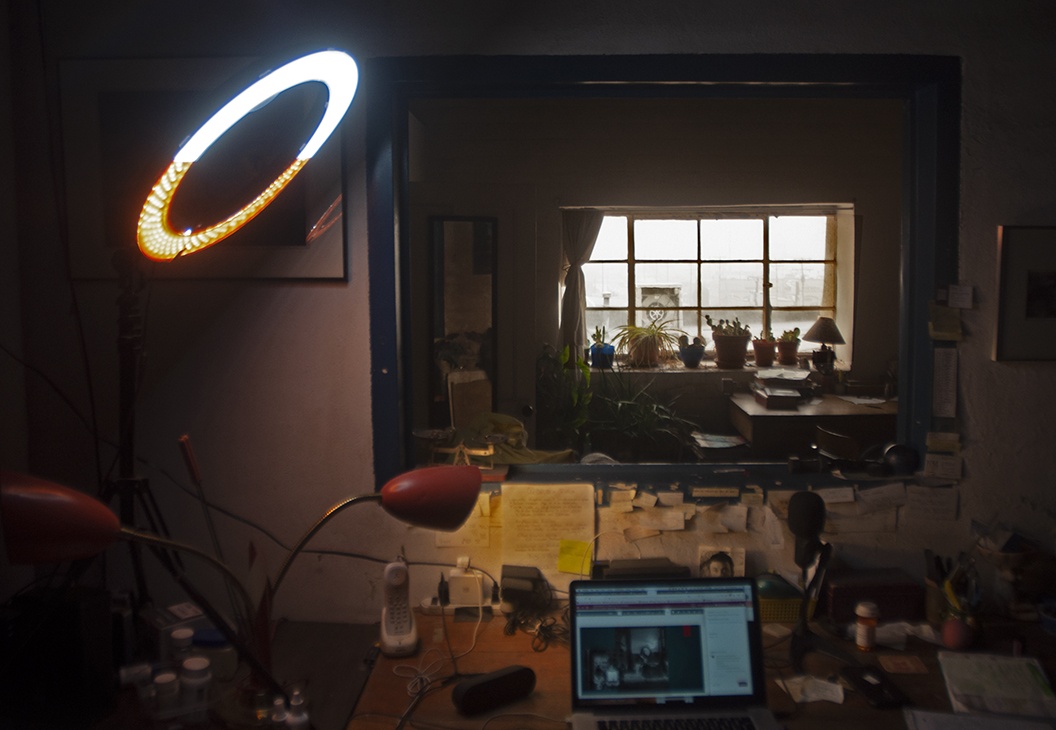
End of a semester. End of an era. My smiling mask of self confidence, of confidence-projecting, of being reassuring has wound down to a needle tip. Sat at this desk for 14 months, rising to the occasion of teaching remotely. Three semesters of little grey rectangles talking with me and me with them.
They rose to the challenge and so have I.
And I’m fried!
El Paso’s Central Plaza, is officially named San Jacinto Plaza. It is located in the middle of El Paso’s original business district and about 3/4 of a mile from the border with Ciudad Juárez, Mexico. In recent times its unofficially been called Plaza de los Lagartos which refers to the old pool in the middle of the plaza that used to be the home of alligators (lagartos in español) which no longer existed after the early 1970s. The alligators were later commemorated, in 2006, by a fiberglass sculpture of alligators by native son and internationally renowned artist, Luis Jimenez.
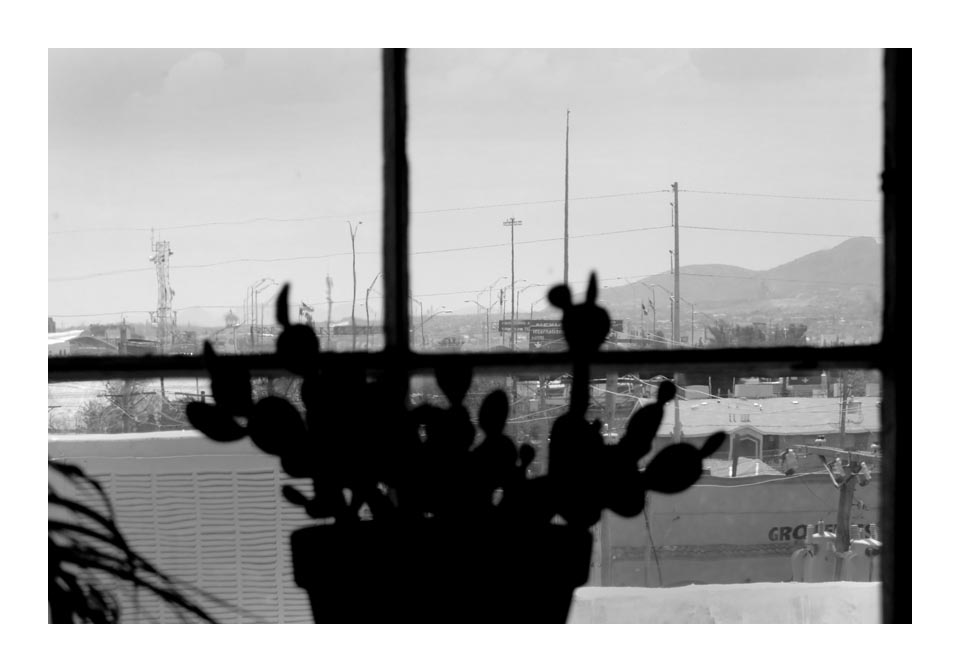
Flags are down in Parque Chamizal. Wind must be up and hopefully a little rain. Just a whisper of a season change. Not yet. But not all that far off either. ‘ta bien. The View South. Days come and go. Then years. Then decades. Then…? I turned my back on the past a long time ago. People tell me that’s good. Bible says it too. Do they really mean it?
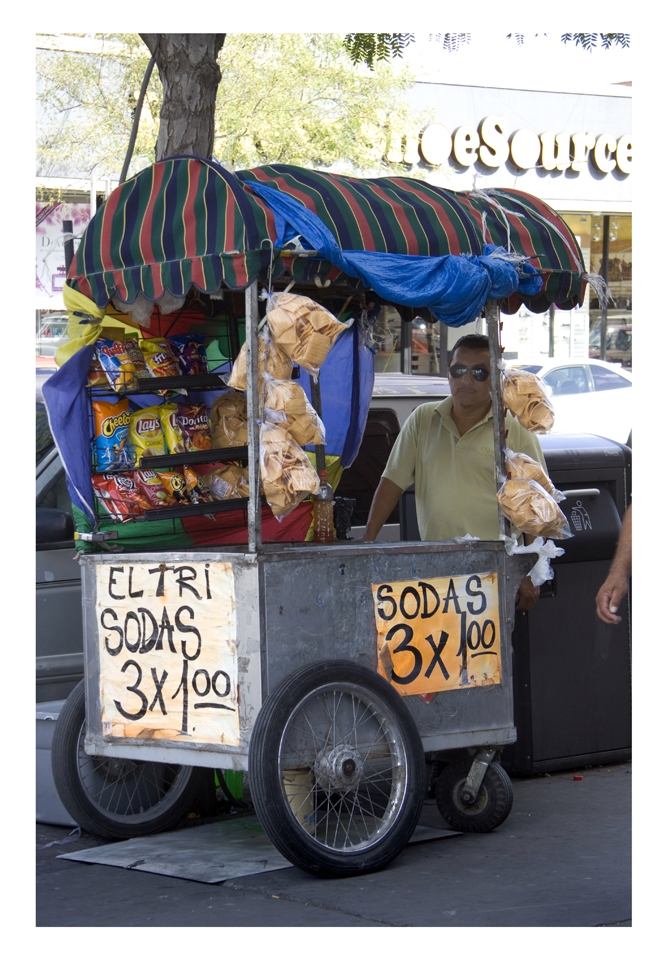
Commentary by Border Blog Editor
El Paso Street in El Paso. It’s the first block of America. Or the last block of America. It depends on which direction you’re headed.
Going north it’s the first. Going south, it’s the last, the next block is Mexico.
This is a street of life, bulging with people, an array of goods from school and household supplies to clothes to audio stuff to high heels to T-shirts with everything from Revolutionaries to cartoons on them. It’s juicy, alive and has texture and odor.
It’s 3D street.
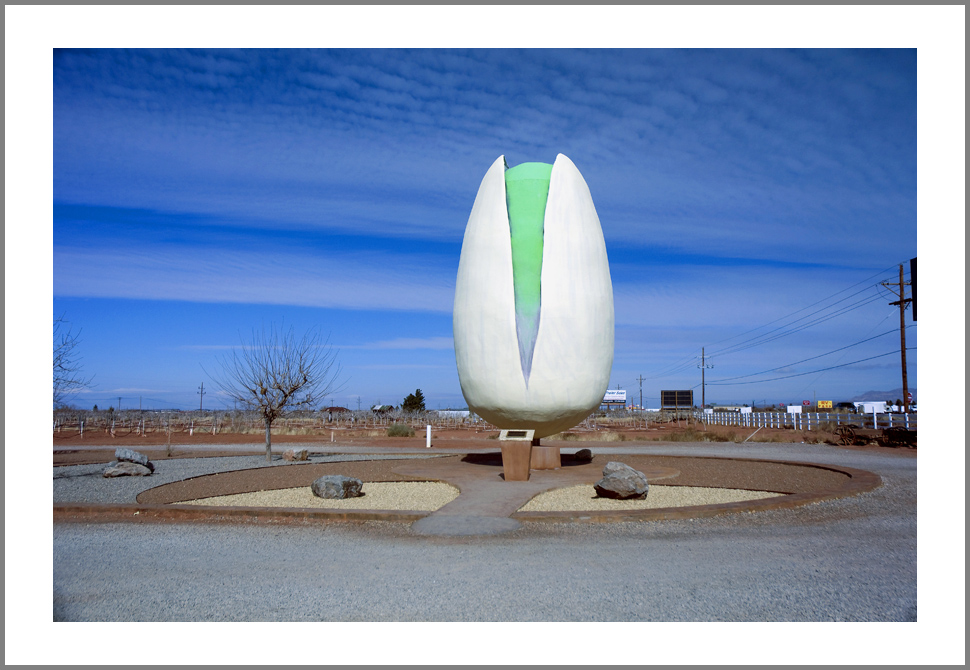
CORRECTION:
Just got a very welcome announcement from a Border Blog viewer. He pointed out that the above image is a representation of a pistachio not a pecan.
Correct!
We don’t have much of a defense, but really, when this was posted on April 24, your Border Blog photographer, Bruce Berman, wasn’t much Bruce Berman either. That’s what happens when one “does what one has got to do as opposed to doing what you do.”
We at Border Blog are pleased to announce that the real Bruce Berman is back, on the border, three blocks from the bridge, in his decaying ruin, tape -metaphorically- over his mouth, no longer talking about photography but living his life, and making images that, hopefully, will do, as we wrote almost a decade ago, stating our intention to (see the “About” tab above), “…cover the news, opinions and culture of the 2000 mile border of Mexico and the United States, concentrating on the epicenter of El Paso and Juarez. The Border Blog is not meant to be a news source as much as it is meant to be a news ‘feel’.”
Thank you MB and thank you Bruce (but tsk tsk on your caption!).
-The Editors
A Dear John Letter to ASARCO
by Bruce Berman
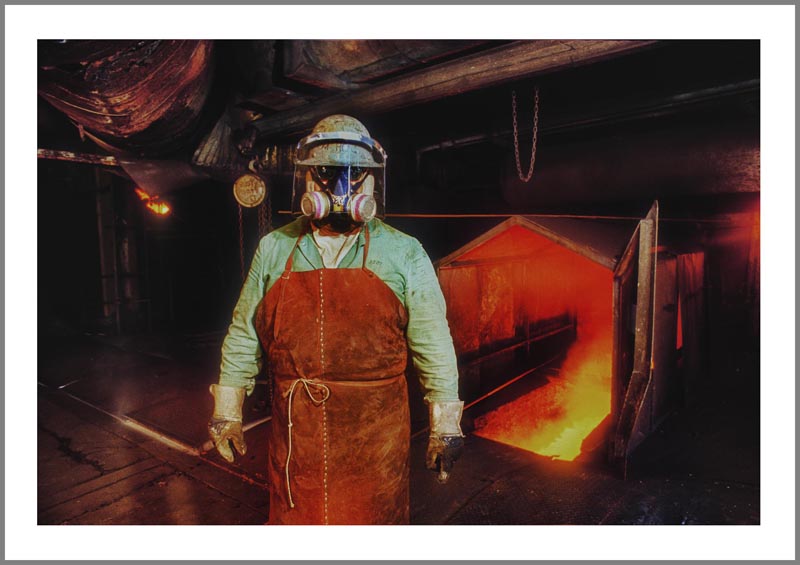
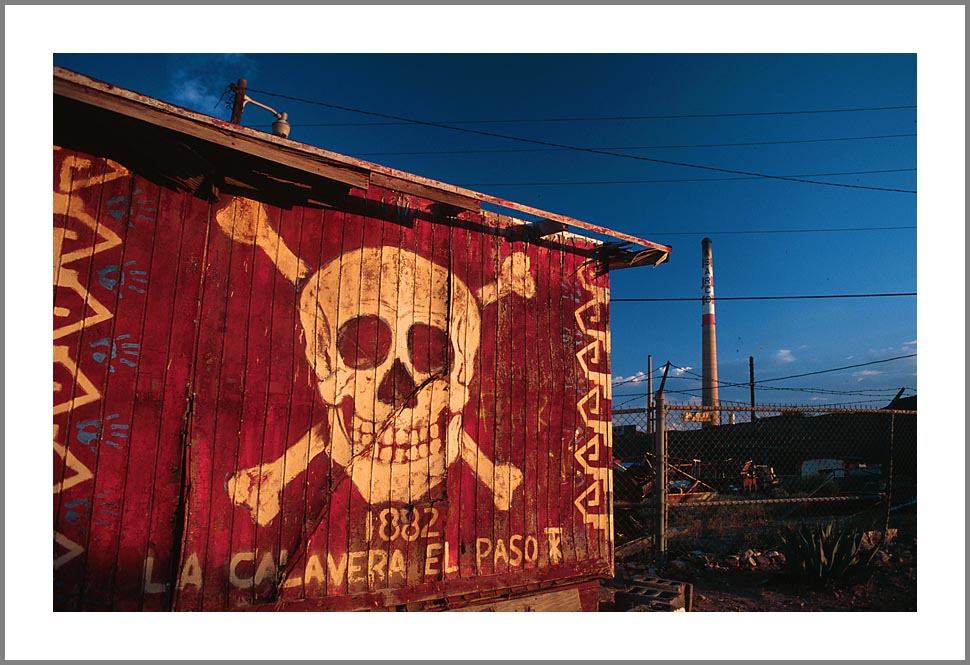
Au revoir ASARCO. You were the spine of the border, a big giant dong sticking up out of the river, pouring flames and sulfur, lead and smoke. The town grew up around you, fed off of you, then outlived you. You looked down on battles and traffic, always with the bifocals of looking at two countries at once. Looking east to El Paso, you looked down on the dusty foothills of the Franklins that became Kern Place and Mesa Hills, the sheik and elite (in its own mind). On the other, looking west, down into the dust and turbulence of Juarez, you looked down onto Colonia Felipe Angeles, which, too was foothills, that became a shanty town which became a barrio which became (shhhh..not quite yet) a path to a port of entry into New Mexico. What a vantage point you have had. When I first saw you I stood up straight, saluted and said, Wow, yes sir!
I dug you from the gitgo, had the pleasure of working inside you, being constantly re-awakened by you, of working inside you near those flames with the weather outside 105 degrees, feeling the comradie of your workers, the satisfaction of being inside something that wild and crazy and productive, a caldron of energy and raw power.
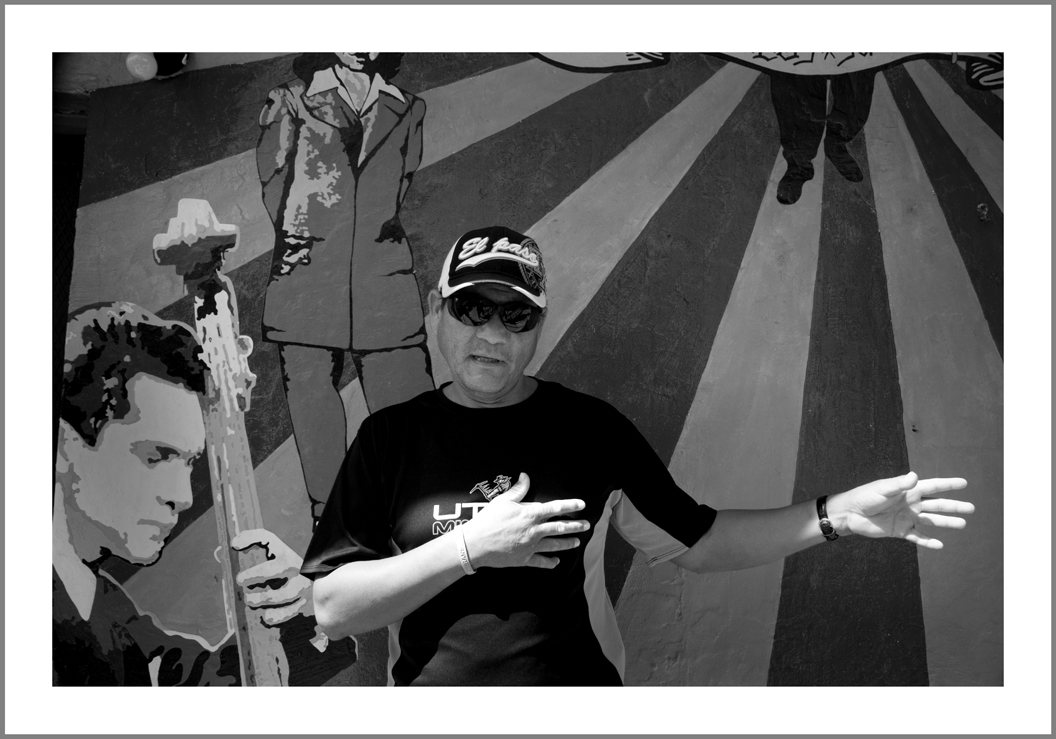
Photo and Text by Bruce Berman
Man from Anthony, New Mexico, describing his younger days in the Segundo barrio.
The Segundo barrio is El Paso’s most historic neighborhood, hugging the border with Juarez, Mexico and architecturally intact from the 1880’s “railroad boom,” that brought fired brick architecture and “Chicago Brick (which is atypical red).” Some adobe structures go back to the early 19th century. This part of the city has had human habitation for thousands of years. Spanish travelers began European settlement at this place in the Rio Grande/Rio Bravo in the mid 1600’s.
The real significance of the Segundo barrio, however, is the Latino community and it is significant. The barrio, historically, was the first “stop” on the journey north to “El Norte,” whether it was a matter of days for rest or for a generation of orientation. Many people in El Paso trace their roots to family who lived in El Segundo barrio in their first years in the United States.
FOR CAFÉ TACUBA VIDEO (and the rest of this article):
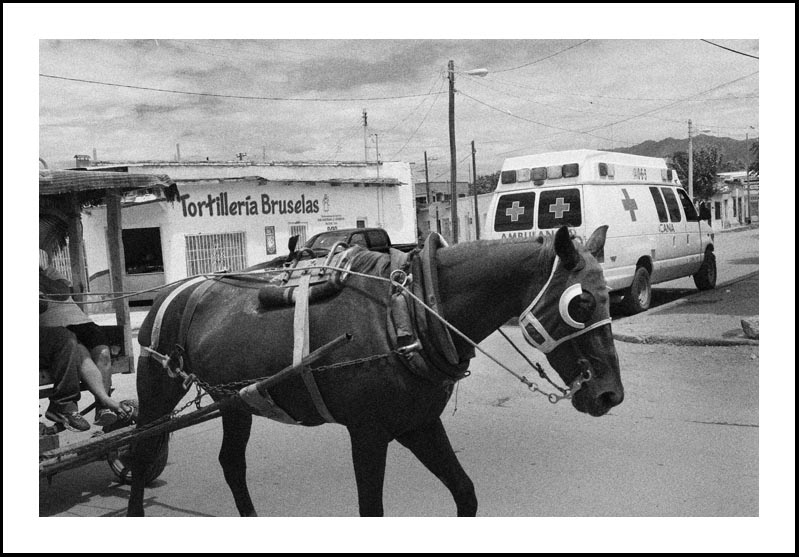
JUAREZ, Mexico – Juarez still stands. It is still Juarez. It is a city of my heart. I am not alone. It is insane what has happened in Juarez. There is no reference or metaphor: it just stinks. I walk the streets and there are “tastes,” of the old city. The “new city,” the one of Malls and chrome and green eco-glass, the nightclubs and shiny new cars has disappeared more than the old city has.
This might say something about what the condition of the city was before “The Troubles.”
